Home › Masonry Repair and Restoration
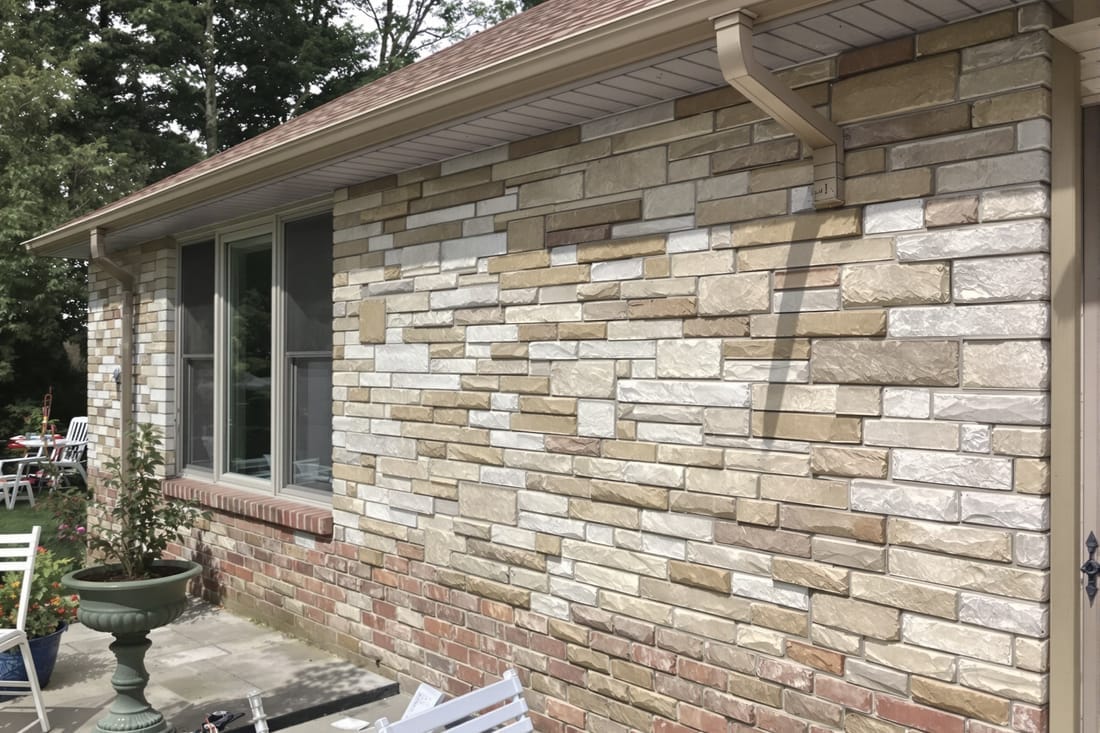
We specialize in masonry repair in Fort Worth, TX, restoring cracked, leaning, or spalling brick, stone, and block. Our team evaluates the cause, from moisture to settlement, then installs structural repairs and cosmetic fixes. Bring your home exterior back to life with careful masonry restoration that blends old and new materials.
Superior Masonry Fort Worth provides professional masonry repair throughout Fort Worth, TX, Texas and the surrounding area. Our licensed, insured crew delivers safe, clean, on-time work with a free estimate before anything begins. Call (682) 267-3270 or request your free quote.
Practical Masonry Repair for Fort Worth Homes and Businesses
Cracked brick, loose stone, or crumbling mortar are more than cosmetic problems. In Fort Worth, masonry damage often starts with our clay soils shrinking and swelling, then summer heat, sudden storms, and occasional freezes make it worse. At Superior Masonry Fort Worth, our masonry repair work is built around that local reality, not a one size fits all checklist.
When we come out to a property, we start with a close inspection of the damaged area and the surrounding structure. We look at crack patterns in your brick or block, check for bulging walls, spalling (flaking) faces, efflorescence (white salts), and loose caps or sills. We also look at nearby gutters, grading, sprinkler heads, and any foundation movement, because fixing the brick without addressing the cause means the cracks will come back.
Our goal is to stabilize, repair, and blend the work so it looks like it belongs on your home or building. For some customers, that means very discreet crack stitching and tuckpointing. For others, it means rebuilding a leaning portion of a wall, chimney, or column so it is safe again. We explain what truly needs to be done now, what can wait, and what may actually be a foundation issue that should be handled before we touch the brick or stone.
Fort Worth weather also affects timing. Mortar and patching materials cure best when temperatures stay between about 40 and 90 degrees with limited rain. Spring and fall are usually ideal, but we work year round by adjusting mix designs and using covers or shade when needed. If you have active leaking or falling brick, we prioritize safety and get you on the schedule quickly, then plan follow up restoration if needed.
How Masonry Repair and Restoration Are Actually Done
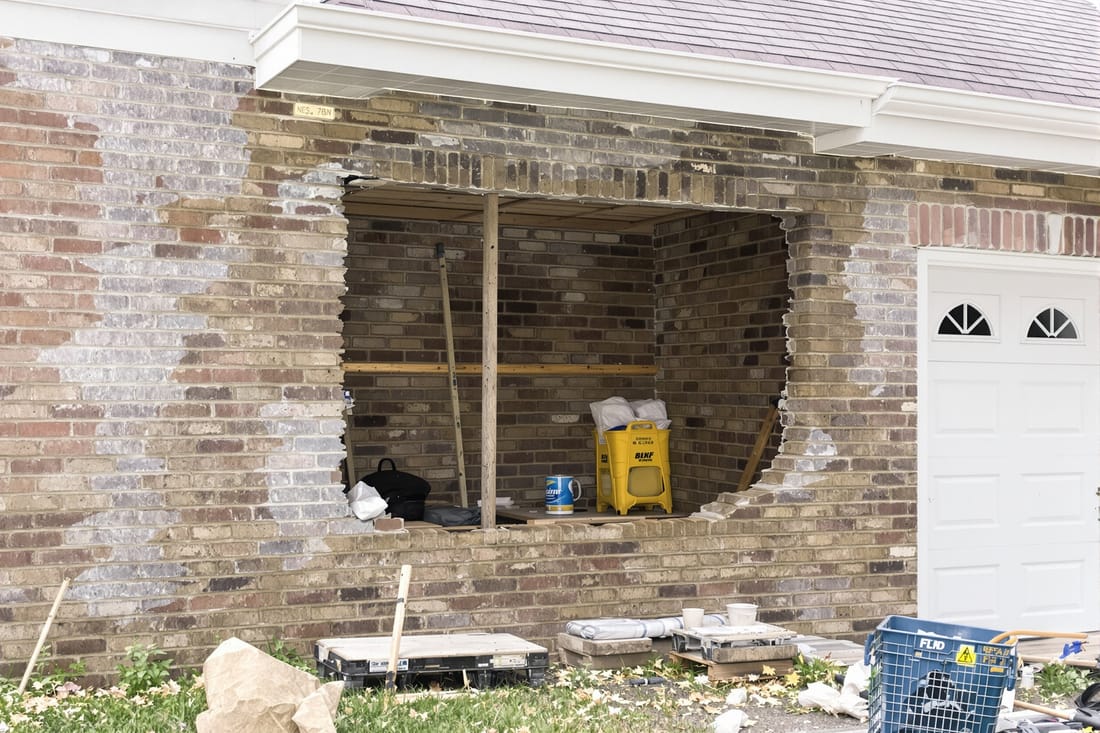
Most masonry repair projects involve several careful steps, not just dabbing new mortar on old cracks. At Superior Masonry Fort Worth, a typical brick or stone repair might start with removing failed material. We grind or chisel out loose mortar joints to the proper depth, usually at least twice the width of the joint, to give new mortar something solid to grab. For broken or severely cracked bricks or stones, we remove the units without damaging the surrounding work, then clean the cavity.
Next is material matching. We bring sample bricks or stone options and compare to your wall. For older Fort Worth neighborhoods, exact matches can be tricky, so we sometimes source reclaimed brick from local yards or choose a manufactured brick that blends in once it weathers. For stone, we look at color tone, texture, and thickness so the replacement pieces sit flush and do not draw the eye.
Mortar matching is just as important. We test existing mortar by color, sand grain size, hardness, and sometimes a simple acid reaction. That tells us if your home was built with a softer lime rich mortar or a harder modern cement mix. Using a mortar that is too hard on older brick can cause more cracking later, so we adjust our sand, lime, and cement ratios to be compatible with your existing wall. We also use mineral pigments to get the color as close as possible so new joints do not stand out as bright gray bands.
Once materials are ready, we set replacement bricks or stones in fresh mortar, tool the joints to match the original profile (concave, vee, flush, raked, or struck), then clean the face carefully so we do not smear mortar film across the wall. For hairline cracking, we sometimes use crack stitching with stainless steel helical bars placed in cut joints across the crack, then filled with grout. This ties the masonry back together without a big visual change. In moisture damaged areas, we may add through wall flashing, weep holes, or improved caps to shed water so the same problem does not return.
Common Masonry Problems We See Around Fort Worth
Certain masonry issues show up again and again in Fort Worth, and knowing which is which helps you decide what to tackle and when. One of the most common is step cracking in brick veneer around doors, windows, or at corners. This usually follows the mortar joints in a stair step pattern. It can be from minor settlement, foundation movement, or rusting angle irons (lintels) above openings. We evaluate whether the crack is stable and cosmetic, or if there is displacement that points to structural movement. Simple tuckpointing may be fine for minor, stable cracks, but sagging brick over a window often means the steel support needs to be cleaned of rust, reinforced, or replaced.
Another frequent problem is spalling brick or stone where water has soaked in, then expanded with heat or a freeze. You see faces popping off, powdery surfaces, or dark damp patches. On chimneys, porch columns, and parapet walls, this is usually a flashing and waterproofing issue. Our repair might involve removing damaged units, installing or repairing metal flashing, redoing cap stones or chimney crowns with proper slope, and in some cases applying a breathable masonry water repellent that lets moisture escape instead of trapping it.
We also see a lot of deteriorated mortar joints on older homes in areas like Fairmount, Mistletoe Heights, and Oakhurst. Joints may be recessed deep, sandy, and falling out. Full tuckpointing (also called repointing) in these areas means methodically grinding out the old joints, repacking them with a softer compatible mortar, and tooling them to match historic profiles. This extends the life of the wall significantly and keeps moisture from getting behind your brick.
Interior masonry issues are less common but important when they show up. Cracking on a fireplace face, loose firebrick, or smoke stains where they should not be can signal problems with the firebox, chimney liner, or draft. For these, we may work with or refer a chimney specialist for flue and draft issues, then handle the brick or stone repair on the living room side so you end up with a fireplace that both looks right and functions safely.
What Affects Cost and Timeline for Masonry Repair
Customers usually want a clear idea of what drives the cost of masonry repair. The main factors are access, scope, material matching, and whether structural work is needed. A small crack repair at ground level with easy access will always cost less than rebuilding a tall chimney that needs scaffolding or lift equipment. Tight side yards in older Fort Worth lots can also increase labor time, since every brick and bucket of mortar has to be hand carried.
Scope is the next driver. Replacing a handful of bricks or stones is quick, but full tuckpointing of a long wall or a whole chimney is more labor intensive. If we are stitching cracks with reinforcing bars, installing concealed anchors, or rebuilding columns from the footing up, that adds to both material and labor costs. Similarly, if a rusted lintel over a garage door has to be exposed, replaced, primed, and rebricked around, you are paying for steel, coating, and careful brickwork.
Material matching affects price too. If your home uses a readily available modern brick that local suppliers still carry, costs stay moderate. If it needs custom or reclaimed brick to blend, or a particular cut limestone to match older stonework, we factor the hunt and material premium into the estimate. For historic restoration work, where joint profiles and mortar recipes must follow certain guidelines, pricing reflects the extra time and testing involved.
Timeline depends on weather, curing time, and how much area we are repairing. Small projects often finish in a day or two. Larger restoration or multi elevation jobs may run several days to a couple of weeks, especially if scaffold changes are needed. We try to schedule most big exterior jobs outside the peak of summer afternoons and heavy rain periods so mortar cures correctly. Whatever the job size, Superior Masonry Fort Worth provides a written estimate that spells out the work area, materials, and any assumptions, so there are no surprises later.
How Superior Masonry Fort Worth Approaches Your Project
Before any work starts, we sit down and walk you through what we found during inspection, show you photos of problem areas, and explain the repair options. Some customers prefer the most budget friendly approach that addresses safety and water entry first. Others, especially on front elevations, want the repair to be nearly invisible and are willing to invest more in careful matching. We price and label these options clearly so you can decide what fits your priorities.
During the job, we protect landscaping, driveways, and nearby surfaces with drop cloths and plastic where needed. Brick and mortar dust can travel, especially when grinding, so we use dust collection tools as much as possible and clean up daily. We keep you updated if we uncover hidden issues, such as concealed rot behind brick or more severe lintel rust than expected, and get your approval before changing the scope.
When the repair or restoration is complete, we wash the work area lightly, being careful not to etch brick with harsh acids, and do a final walkthrough with you. For many jobs, we suggest a simple maintenance plan, like checking caulk and sealant joints once a year, keeping sprinklers off masonry faces, and cleaning efflorescence with the right methods instead of harsh power washing. For chimneys, porch columns, and retaining walls, we might recommend periodic visual checks after heavy storms or foundation adjustments.
Superior Masonry Fort Worth works primarily throughout Fort Worth and nearby communities, so we are familiar with local builders, typical brick lines used in area subdivisions, and the way our soil and weather treat masonry over time. That experience, combined with clear communication and realistic recommendations, is what keeps our repair work holding up after the trucks pull away. If you have cracks, loose brick or stone, or an older wall that just looks tired, we can evaluate whether straightforward masonry repair, broader restoration, or a combination of both is the right fit for your property.