Home › Commercial Stone Masonry
We install commercial stone masonry in Fort Worth, TX for building facades, entryways, columns, and landscaping walls. Our crews work with natural and manufactured stone, following engineered details for anchors and support. Create a durable, high end appearance for your commercial property with professional stonework.
Superior Masonry Fort Worth provides professional commercial stone masonry throughout Fort Worth, TX, Texas and the surrounding area. Our licensed, insured crew delivers safe, clean, on-time work with a free estimate before anything begins. Call (682) 267-3270 or request your free quote.
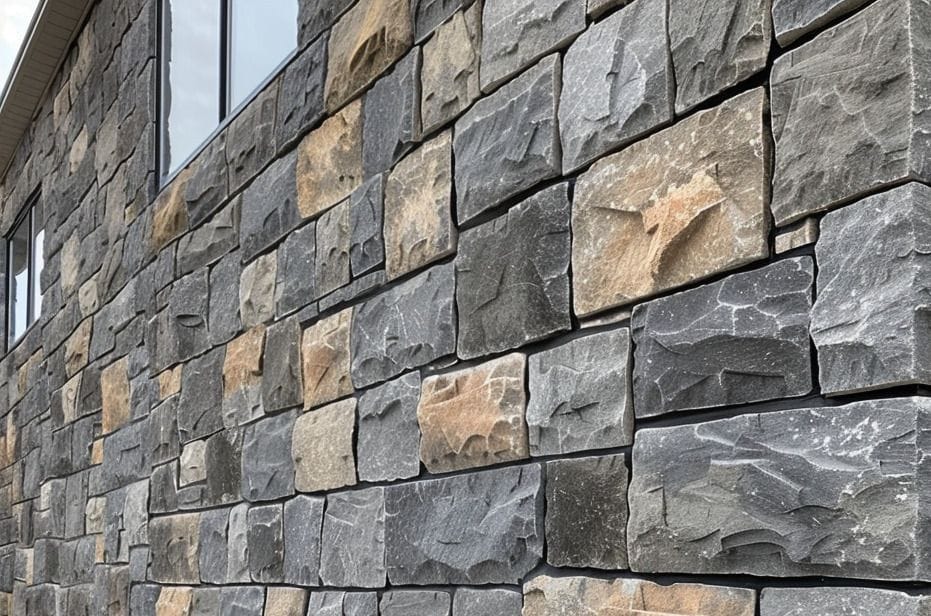
Commercial stone masonry built for Fort Worth properties
Commercial stone work is a long-term investment, so it needs to be detailed, durable, and practical to maintain. At Superior Masonry Fort Worth, we focus on stone systems that can handle North Texas sun, sudden cold snaps, and heavy day-to-day use from customers and staff.
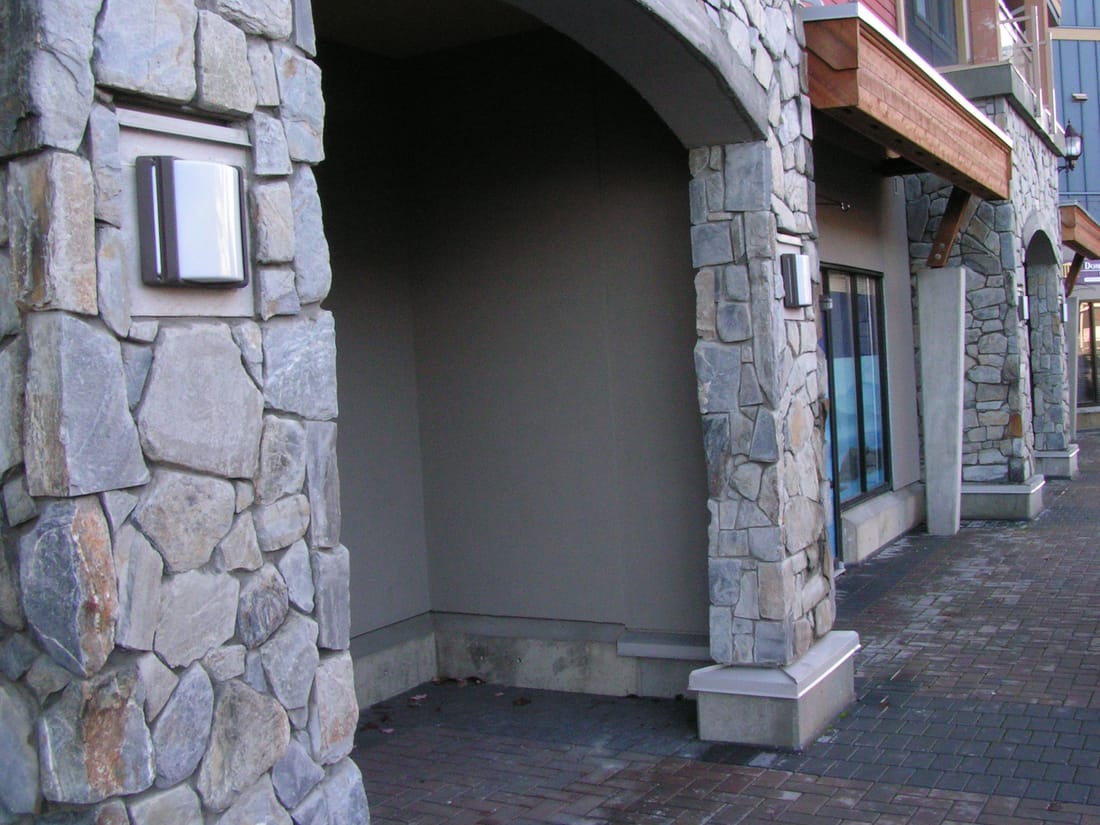
When we talk about commercial stone masonry, we are usually dealing with one of three things. First is stone veneer on structural walls, such as shopping centers, office buildings, and restaurants. Second is structural stone elements like entry columns, monument signs, and free-standing walls. Third is site features like seating walls, planters, stairs, and accent walls. Each type has its own engineering needs, anchoring methods, and detailing.
Before any pricing or layout is final, we walk the site and review your plans. For a new build, we coordinate with the GC, architect, and structural engineer on details like substrate type, control joints, and load paths. For upgrades or remodels, we study the existing structure, look for moisture issues, and check how new stone will line up with existing finishes. That early planning is what prevents cracking, stone movement, and water intrusion down the road.
Materials, systems, and options that actually work in North Texas
Fort Worth commercial stone is usually a mix of looks and practicality. We install natural stone, manufactured stone veneer, and anchored stone panels, and we help you pick based on budget, schedule, and expected wear.
Natural stone options include chopped limestone, sandstone, flagstone, and regional blends that match many existing centers in Tarrant County. These are cut to specified thicknesses and laid as full bed or veneer, then tied back to the structure with mechanical anchors. Natural stone is durable and ages well, but it weighs more and may need thicker foundations or beefed up supports.
Manufactured stone veneer (MSV) is lighter and often more flexible for color blends and style. It is common for retail build-outs, franchise prototypes, and interior feature walls. With MSV, the key is not the stone itself but the prep behind it: proper sheathing, water-resistive barrier, lath, scratch coat, and quality setting mortar. We pay close attention to drip edges, weep details, and terminations at windows and doors, because those are where most leaks start when stone is used as a cladding.
For large commercial facades, we also work with anchored stone panel systems. These use engineered clips or rails, allowing large format stone to be set quickly. They are ideal for office buildings and institutional projects that need a clean, modern look. In Fort Worth wind conditions, correct fasteners and spacing are critical, so we verify that the chosen system matches local wind load requirements and building codes.
We go through finish options with you as well, such as roughly chopped, sawn, tumbled, or split-face textures, and joint styles (raked, flush, overgrout, or tight joint). These are not just cosmetic choices. Joint depth and texture affect how dirt, soot, and irrigation staining will show over time, which matters for busy commercial sites that must stay presentable with simple maintenance.
How our commercial stone masonry process works, start to finish
Superior Masonry Fort Worth runs commercial stone work like any other trade on a busy jobsite, with clear steps that keep the GC and owner informed.
1. Preconstruction and estimating: We review architectural drawings, structural details, and any prototype standards if you are a franchise or chain. We measure actual quantities instead of guessing by square footage alone, and we flag missing control joints, expansion joints, or flashing details before construction so your design team can respond.
2. Substrate prep: For new construction, this may involve CMU backup walls, framed and sheathed walls, or existing brick. We check alignment, plumb, and fastening, because stone will only be as straight as what is behind it. For remodels, we may remove outdated finishes, repair damaged sheathing, or add blocking where stone will transition to other materials.
3. Moisture management: In our climate, intense sun, wind-driven rain, and occasional freezes can ruin stone that was installed over a poor moisture barrier. We install the correct water-resistive barrier, flashings, and weep systems as specified, and where plans are vague, we bring code-compliant solutions to your design team. This helps avoid water staining, mold in wall cavities, and efflorescence on the stone face.
4. Layout and mockups: Before we run full production, we often build a sample panel on site. This allows the owner or architect to approve stone mix, pattern, and joint style. For complex blends, we use blending racks and pull from multiple pallets at once so color and size are evenly distributed.
5. Installation and coordination: We sequence work with other trades so stone goes up at the right time. This might mean coordinating with storefront installers, sign contractors, or landscapers. We maintain clear sightlines for safety, manage scaffolding according to OSHA standards, and keep pathways open so other trades can continue their work.
6. Cleanup and punch: We acid-clean only when appropriate for the stone type, using cleaners that will not burn or discolor the surface. We tool joints neatly, remove mortar smears, and wash down façades so the building is photo-ready at turnover. We walk the job with the GC or owner to address any punch list items quickly.
What affects the cost of commercial stone masonry in Fort Worth
Costs for commercial stone masonry are not just about square footage. Understanding the real drivers can help you budget and compare bids fairly.
Stone type and thickness: Natural full-bed stone weighs more and takes longer to set, so labor and structural support costs increase. Thin veneer is faster, but the backing system and detailing become more important. Rare or imported stone carries longer lead times and higher material costs, so we often propose local or regional alternatives that are easier to source and match in future expansions.
Wall complexity: Straight runs at ground level are the most efficient. Costs climb with tall walls that require staged scaffolding, complex corner details, radius walls, and areas around many windows, doors, and signage. Each interruption requires additional layout time and hand-cutting.
Substrate condition: On retrofit jobs in older Fort Worth buildings, we sometimes find uneven walls, deteriorated CMU, or moisture damage behind existing finishes. Correcting those issues before stone goes up adds cost, but it is necessary to avoid failures later. We document these conditions clearly and discuss options with you before proceeding.
Schedule and phasing: If the project has to be completed off-hours to keep a business open, or if the build must be phased to keep different areas operational, production slows. Night work, tight timelines tied to a grand opening, or multi-phase schedules can affect labor rates.
Code and engineering: Tall freestanding stone walls, heavy entry columns, and monument signs often need engineered footings, rebar, and specific anchoring details. These added structural pieces show up in both material and labor costs, but they are required to meet Fort Worth building codes and to perform in local wind and soil conditions. We coordinate with your engineer so you know what is truly required and where there may be options.
Local factors, maintenance, and how to choose a commercial stone contractor
Fort Worth’s hot sun, occasional hail, and clay-rich soils create specific challenges for stone work on commercial properties. A design that looks fine on paper may not hold up if expansion joints, movement joints, and drainage are not tailored to these conditions.
Movement and soil: Many parts of Tarrant County have soils that expand and contract. For freestanding stone walls, columns, and monuments, we pay close attention to footing depth, width, and reinforcing so the stone is protected from minor slab movement. For building facades, we follow joint spacing guidelines that account for temperature swings, then detail joints so they blend into the design.
Water and irrigation: A lot of stone staining in shopping centers and office parks comes from poorly placed sprinklers. We recommend stone selections and joint styles that hide or resist staining near landscaping, and we can suggest small layout changes, such as raising the stone base a few inches and capping it with a durable band, to keep the face cleaner over time.
Ongoing maintenance: Quality commercial stone masonry should not need constant repairs, but it does benefit from basic care. This includes keeping joints sealed where stone meets metal or glass, monitoring for cracks after significant movement, and avoiding harsh pressure washing that can erode joints. We can provide a maintenance outline tailored to your property type, from retail centers to medical offices.
When comparing stone contractors, ask to see jobs that are at least five years old in the Fort Worth area, not just fresh completions. Look closely at joints, corners, and areas around windows and doors. Ask how they handle moisture barriers and flashing, and whether they follow project specifications or substitute materials without written approval. Superior Masonry Fort Worth is open about the systems we use, and we are comfortable walking you through the details, because that transparency is what keeps commercial projects on time and free of surprises.