Home › Concrete and Block Masonry
We offer concrete and block masonry in Fort Worth, TX for foundations, crawlspace walls, garages, and additions. Our masons lay CMU blocks with reinforced cores and properly filled cells for strength. Whether you need a new block wall or repairs to an existing structure, we build solid, level results that last.
Superior Masonry Fort Worth provides professional block masonry throughout Fort Worth, TX, Texas and the surrounding area. Our licensed, insured crew delivers safe, clean, on-time work with a free estimate before anything begins. Call (682) 267-3270 or request your free quote.
Concrete and block masonry for Fort Worth properties
Concrete and block masonry is the backbone of many homes and small businesses in Fort Worth, from garage foundations and garden walls to shop buildings and retaining walls. At Superior Masonry Fort Worth, we focus on practical, durable work that makes sense for our soil conditions, summer heat, and occasional hard rains.
When you call us about block masonry, we start by asking how the space will be used. A decorative front yard wall, a load bearing CMU wall for a workshop, and a small trash enclosure all need different block sizes, reinforcement, and footing depth. We then look at access for equipment, drainage patterns on your lot, and any existing concrete or brick so we can tie in new work cleanly without odd transitions or weak joints.
Our goal is to explain the trade offs up front. For example, if you want a new concrete and block backyard wall, we will talk through whether you need full footing depth to frost line, or a shallower footing with extra reinforcement, given typical Fort Worth freeze cycles. We also discuss whether the wall should be solid grouted or partially grouted, depending on height, wind exposure, and whether it will be supporting a fence or structure.
How we plan a concrete and block masonry project
Good block masonry starts with careful planning instead of rushing into pouring concrete. For most projects in Fort Worth, Superior Masonry Fort Worth begins with a site visit to check grade changes, soil type, and water run off. In the clay-heavy areas, we often recommend wider or deeper footings, or added rebar, to reduce cracking from soil movement.
Next, we confirm measurements and layout. We snap chalk lines and set string lines to mark wall locations, column centers, and corners. On sloped yards, we decide whether to step the footing and block courses or create a retaining wall design. If you need a permit, we can work with your engineer or provide typical details that have worked for similar projects in the area.
Before any digging, we locate utilities where needed. Then we review finishes. Some customers keep exposed concrete block and simply paint or seal it. Others prefer a stucco or stone veneer over the block. Talking about this early matters because veneer thickness and attachment methods can change how we align the block and set the footings.
Footings and concrete work that support your block walls
Concrete footings are what keep a block wall from tilting, cracking, or separating after a few Texas storm seasons. For most block masonry projects, we excavate a trench to a specific depth and width based on wall height, soil, and load. In typical residential yards, this might be 12 to 24 inches deep and at least twice the width of the block, although taller or retaining walls can require more.
We set rebar cages in the trench at the spacing called for by the design, tying vertical bars where future block cells will align. In Fort Worth, where clay soils can expand and contract, we favor continuous rebar in both directions and clean, well compacted trench bottoms. Before the pour, we double check elevation so top of footing stays level along the run.
For the concrete itself, we usually use a 3,000 to 4,000 psi mix with proper slump so the footing fills fully under rebar without leaving voids. We vibrate or rod the concrete in deeper sections to remove trapped air. After finishing the top, we protect fresh concrete from rapid drying in hot weather, either by light curing compounds or simple covering and light misting so the footing gains strength evenly.
Laying block: techniques, reinforcement, and finishes
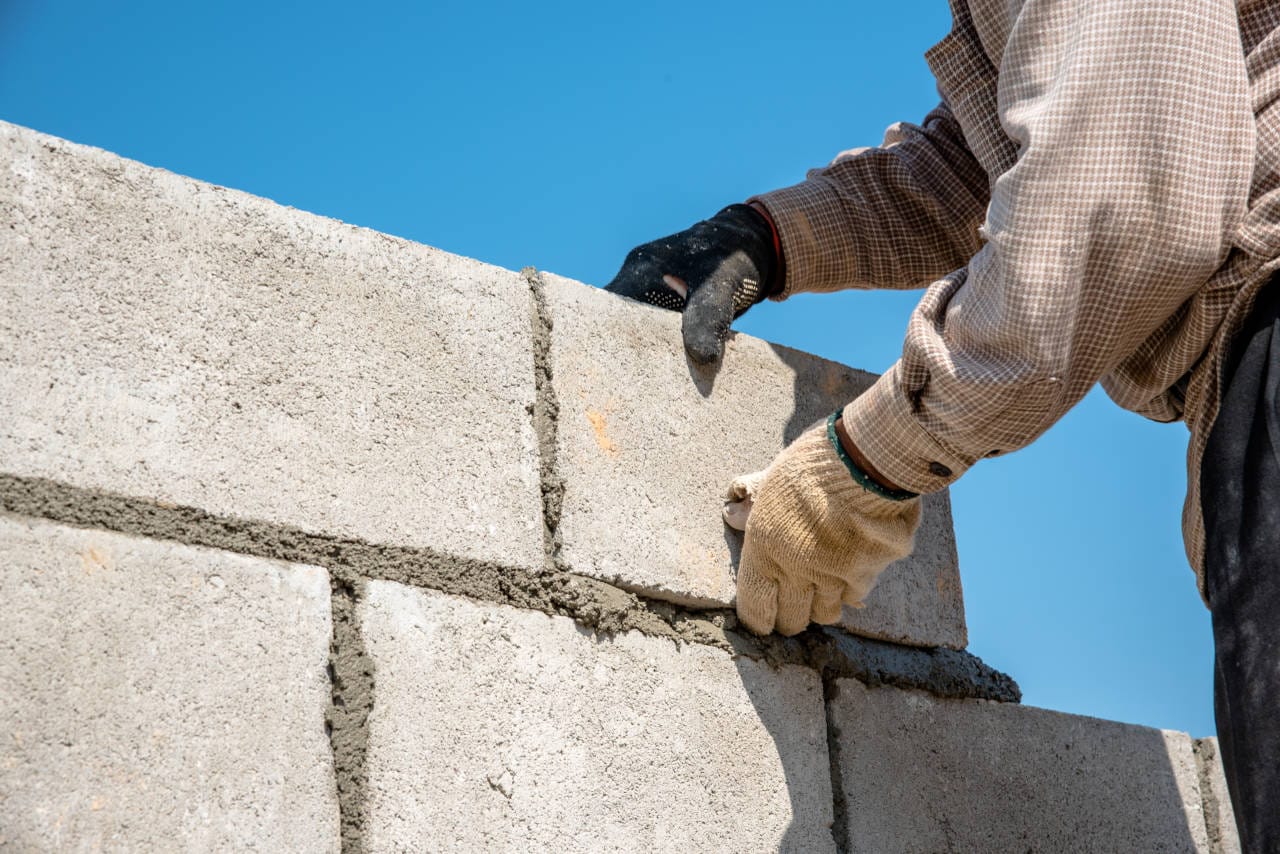
Once the footings cure, we start laying block. We snap lines on the footing so the first course is perfectly straight, then butter the ends and bed of each block with mortar. The first course is the most important for long term appearance. We use levels and string lines to keep every block square, plumb, and on grade.
Reinforcement is critical. Where the design calls for it, we place vertical rebar in block cells, lap splices properly, and then fill those cells with grout. In some cases, especially retaining walls or walls that support heavy gates, we grout every cell. In lighter applications, we grout only at prescribed intervals, which can save cost without reducing safety.
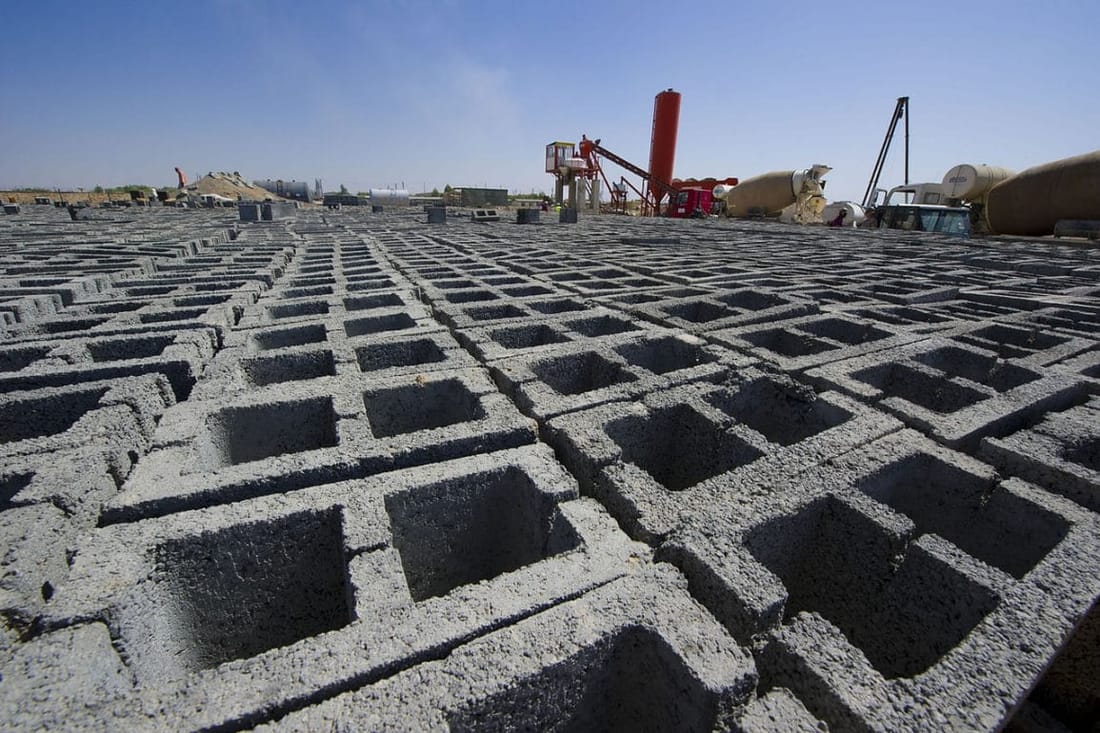
For finishes, there are several options. Standard gray block can be left exposed, then painted or sealed for a clean, industrial look. Split face or colored block can create a more decorative appearance for front yard walls and commercial facades. Many Fort Worth homeowners choose to have us lay standard block for structure, then apply a stucco or stone veneer later. We plan for this by setting control joints where future surface finishes can naturally break, so you are less likely to see random cracks.
Controlling cracks and drainage in Fort Worth’s climate
Every concrete and block masonry job has to deal with movement from temperature swings, minor soil shifts, and moisture. Superior Masonry Fort Worth focuses on control joints and drainage from the start so your project lasts longer.
We place control joints in longer block walls at set distances to handle shrinkage and minor movement. These joints are planned around openings, corners, and changes in wall height. Without them, random cracks are much more likely, especially in the strong summer sun we see in Fort Worth.
Drainage is just as important. For retaining walls, we usually place perforated drain pipe at the base behind the wall, then backfill with gravel and use weep holes or outlets through the wall. This relieves water pressure so the wall does not bulge or lean over time. For freestanding walls and structures, we pay attention to slope so water does not sit at the base. We may also add small concrete aprons or swales to direct water away from the wall and nearby slabs.
Sealants and coatings can add another layer of protection. On exposed block that faces heavy weather, we often recommend breathable masonry sealers that help limit water penetration while letting moisture escape, which helps reduce spalling and efflorescence.
What affects cost for block masonry in our area
Customers often want to know why two projects that look similar on paper have different prices. On concrete and block masonry work in Fort Worth, several factors drive cost:
Height and length of the wall or structure. Taller walls and longer runs need more block, deeper or wider footings, and more reinforcement, which raises labor and material costs.
Soil and access conditions. Difficult access that requires wheelbarrowing concrete or hand carrying block, rocky ground, or significant tree roots can add time. Clay or unstable soils may need wider or deeper footings or engineered solutions.
Reinforcement and grout percentage. Fully grouted, heavily reinforced walls cost more than partially grouted walls, but they may be necessary for retaining walls, load bearing applications, or high wind exposure.
Finish choices. Decorative block, colored mortar, stucco, or stone veneer finishes all change the labor and materials involved. Simple painted standard block will usually be more economical than multi layer finish systems.
Permitting and engineering. Some projects, like high retaining walls or structural walls for additions, can require engineering or city review. We help you understand when that is needed and factor it into the schedule and budget.
How Superior Masonry Fort Worth works with local homeowners and businesses
Superior Masonry Fort Worth is locally based, and many of our concrete and block masonry projects come from referrals in neighborhoods across Fort Worth, from older properties near downtown to newer developments on the outskirts. We are used to tying into existing foundations and slabs that might be decades old and not completely level or square.
When you contact us, we typically start with a short phone conversation about your goals and photos of the site. Then we schedule a visit, measure, and talk through specific block types, footing details, and finishes that match your budget. We give written proposals that spell out excavation, concrete strength, reinforcement, grout schedule, and finish details so you know what you are paying for.
During the job, we keep the site as orderly as possible. We coordinate concrete deliveries to avoid blocking your driveway any longer than necessary and we clean up mortar and debris each day. At the end, we walk the project with you, pointing out control joints, drainage paths, and any maintenance you should know about, such as when to seal or paint the block. Our aim is that you end up with concrete and block masonry that fits how you actually use your property, stands up to Fort Worth weather, and looks like it belongs on your street.