Home › Commercial Chimney and Smokestack Repair
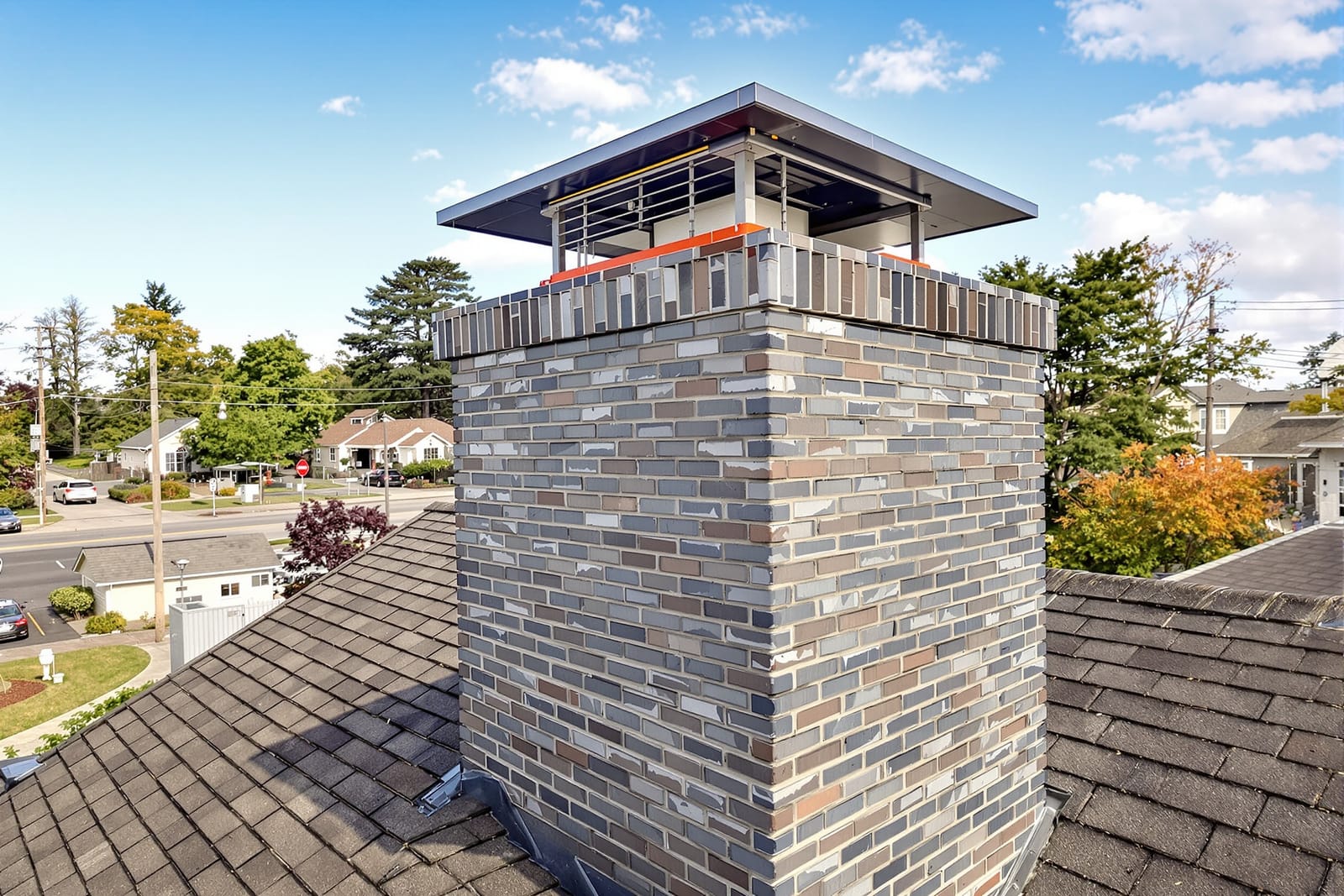
We provide commercial chimney masonry repair in Fort Worth, TX for boilers, factories, and large heating systems. Our team repairs brick and block chimneys, smokestacks, and flues, addressing cracks, spalling, and failing crowns. Keep your exhaust systems safe and reliable with professional masonry repair and reinforcement.
Superior Masonry Fort Worth provides professional commercial chimney masonry repair throughout Fort Worth, TX, Texas and the surrounding area. Our licensed, insured crew delivers safe, clean, on-time work with a free estimate before anything begins. Call (682) 267-3270 or request your free quote.
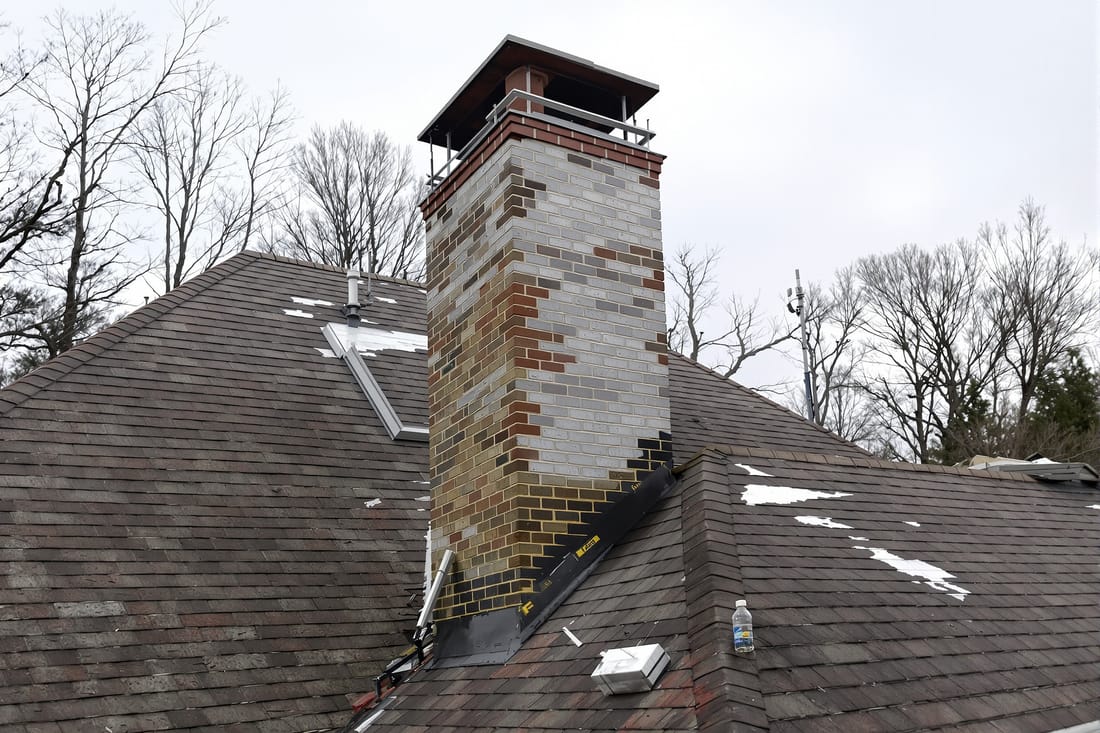
Commercial Chimney Masonry Repair for Fort Worth Facilities
Superior Masonry Fort Worth specializes in commercial chimney and smokestack repair for industrial, institutional, and multi‑unit properties across Fort Worth and the surrounding Tarrant County area. We do not treat a 60‑foot masonry stack on a manufacturing plant the same way as a small boiler chimney on a restaurant. Each project starts with understanding the fuel type, operating temperature, age of the structure, and how often it runs.
Our team is experienced with rooftop masonry chimneys on mid‑rise buildings in downtown Fort Worth, tall smokestacks at older industrial sites on the outskirts, and boiler chimneys serving schools, churches, and healthcare facilities. We repair structural brick, CMU, and stone chimneys, as well as clay flue tile systems and some hybrid masonry and steel stacks. When you call Superior Masonry Fort Worth, you get a contractor that speaks the language of plant managers, facility engineers, and property managers and can explain repair options in technical but clear terms.
How We Inspect Commercial Chimneys and Smokestacks
Effective commercial chimney masonry repair begins with a detailed inspection. For most Fort Worth commercial stacks, we start with a ground and rooftop visual survey to document cracks, missing brick, open mortar joints, spalled faces, leaning, and damaged crowns or caps. We photograph and mark areas on elevation drawings so you can see exactly what we see.
On taller smokestacks and difficult‑to‑reach chimneys, we use lift equipment or rope access technicians to examine the full height. Inside the flue, we may use video camera inspection where access allows, which helps reveal cracked flue tiles, offsets, blockages, or separation between the liner and the masonry shell.
We also look at the surrounding structure and equipment: roof conditions around the base, anchor points, guy wires (if present), exhaust fans, and nearby mechanicals. In Fort Worth, thermal movement from our hot summers combined with occasional winter cold snaps is hard on masonry, so we pay close attention to expansion joints and areas where the chimney passes through the roof. At the end of the inspection, we provide a written condition report with prioritized repair recommendations and estimated life expectancy for different components.
Typical Problems We See in Fort Worth Commercial Chimneys
Fort Worth’s climate and industrial environment create a specific set of issues for commercial chimneys and smokestacks. The most common masonry problems we repair include:
Cracked or missing mortar joints along the stack height from thermal expansion, wind movement, and vibration from nearby equipment. These joints eventually allow water and flue gases to penetrate the structure, which accelerates deterioration.
Spalling brick faces on the windward side of tall stacks, especially older low‑density brick that has absorbed moisture. In the summer, quick temperature changes between afternoon storms and direct sun can pop the faces off saturated units.
Crown and cap failure where the top concrete or stone element has cracked or separated from the brick below. This is a frequent source of water intrusion into the upper chimney courses.
Leaning or out‑of‑plumb conditions, often due to long‑term settlement, deteriorated mortar, or previous partial repairs that did not address underlying structural issues. We measure lean and monitor whether it is static or worsening before recommending stabilization or partial reconstruction.
Interior flue liner damage, particularly in boilers or commercial kitchens where acids and high moisture content attack clay tiles. Cracked or missing tiles are a fire and safety hazard and can also affect draft performance.
How Commercial Chimney Masonry Repair Is Performed
Once you approve the scope, Superior Masonry Fort Worth sequences the repair to reduce downtime and maintain site safety. For most projects, work begins with securing access. On multi‑story buildings, we typically use scaffolding or boom lifts. For especially tall or tight‑access smokestacks, rope access technicians can reduce mobilization costs and disruption.
Repointing is one of the most common repair tasks. Our masons grind or rake out deteriorated mortar joints to a proper depth, then clean the joints of dust and debris. We select a mortar mix that is compatible with the existing brick and expected flue temperatures. For older chimneys, this might mean a more lime‑rich mortar to allow movement without cracking. Joints are then packed and tooled to shed water, and we stage the work so sections cure correctly in the Texas heat.
Where individual bricks or blocks have failed, we perform unit replacement. We cut out broken or spalled units, inspect the surrounding backing and ties, then set new units that match size and compressive strength. On highly visible chimneys, such as hotel or campus structures, we also pay close attention to color and texture so repairs blend rather than stand out.
Crown and cap repairs often involve demolishing loose or cracked concrete, installing reinforcing steel where appropriate, then pouring or forming a new cap with proper slope, overhang, and drip edges. We also seal around flue penetrations and install or replace spark arrestor caps and rain hoods as needed.
When a chimney or smokestack is structurally compromised, partial dismantling and rebuilding of the upper courses may be required. In those cases, we brace any adjacent structures, remove compromised masonry in controlled lifts, and rebuild using engineered details that reflect current codes and the specific operating conditions of the stack.
Liners, Waterproofing, and Protective Upgrades
For many Fort Worth commercial clients, the key to extending the service life of a chimney or smokestack is upgrading internal liners and exterior protection. Interior flue repair may include replacing cracked clay tiles, installing a new stainless steel liner, or in some industrial cases applying a cast‑in‑place liner system. The choice depends on fuel type (natural gas, fuel oil, solid fuel), temperature, moisture content, and whether corrosive byproducts are present.
On the exterior, we often apply breathable masonry water repellents to reduce moisture absorption without trapping vapor. This is important in our region, where driving rain and high sun exposure cycle quickly. We avoid film‑forming sealers on high‑heat stacks because they can peel or trap moisture. Expansion joints and flashing at roof penetrations are replaced or upgraded to manage movement between the chimney and adjacent construction.
For taller stacks exposed to high winds, we may recommend adding or upgrading steel bands, guy wires, or interior reinforcement (where accessible) to limit movement. We also evaluate access ladders, platforms, and fall‑protection components so that future inspections and maintenance can be performed safely and efficiently.
If your facility is pursuing energy or emission upgrades, we coordinate with mechanical and boiler contractors to ensure that any new liners, dampers, or draft controls integrate properly with the repaired masonry.
Cost Drivers and Planning for Commercial Chimney Repairs
Commercial chimney masonry repair costs in Fort Worth are driven by several specific factors. Height and access are usually the biggest. A 15‑foot rooftop chimney on a one‑story building is simple to reach, while a 120‑foot smokestack that requires engineered scaffolding or specialized lifts will be far more labor and equipment intensive.
Extent of deterioration also matters. Localized repointing and brick replacement near the top of the stack is far less costly than full‑height joint grinding and recutting. The presence of structural issues, such as measurable lean or significant cracking around the base, can require engineering review and reinforcement details that add to the budget but are critical for safety.
Operating conditions also influence material choices and cost. High‑temperature or corrosive service may require stainless liners, acid‑resistant mortars, or specialized coatings, which carry a premium compared to standard materials. For mission‑critical facilities like hospitals, data centers, or continuous‑process plants, we often stage work during low‑load periods or off‑hours, which can affect labor allocation but helps prevent disruptions.
To help Fort Worth owners and managers plan, Superior Masonry Fort Worth can provide phased repair strategies. For example, we might address immediate safety and water‑entry issues this year, then schedule less‑critical repointing or liner upgrades over the next budget cycles. We also document our work with before‑and‑after photos so future facility staff understand what was done and when.
Why Fort Worth Facilities Choose Superior Masonry Fort Worth
Commercial chimney and smokestack repair in Fort Worth is not a commodity service. It requires familiarity with local weather patterns, building stock, and regulatory expectations. Superior Masonry Fort Worth has worked on chimneys serving manufacturing plants on the east side, multi‑boiler systems in older downtown buildings, and institutional campuses throughout Tarrant County, so we understand the real‑world conditions your stack sees.
We coordinate with city officials, fire marshals, and insurance representatives when documentation is required, and we are accustomed to working under hot‑work permits and plant safety protocols. Our crews are trained to operate around active facilities, including restricted access areas and shared rooftops with HVAC and communication equipment.
When you contact us for commercial chimney masonry repair, we will schedule a site visit, discuss your operational constraints, and provide a clear written proposal that separates optional improvements from essential repairs. Our goal is to deliver a chimney or smokestack that drafts correctly, resists water and weather, and meets safety expectations, so you can focus on running your facility rather than worrying about the structure above the roofline.