Home › Brick Retaining Walls
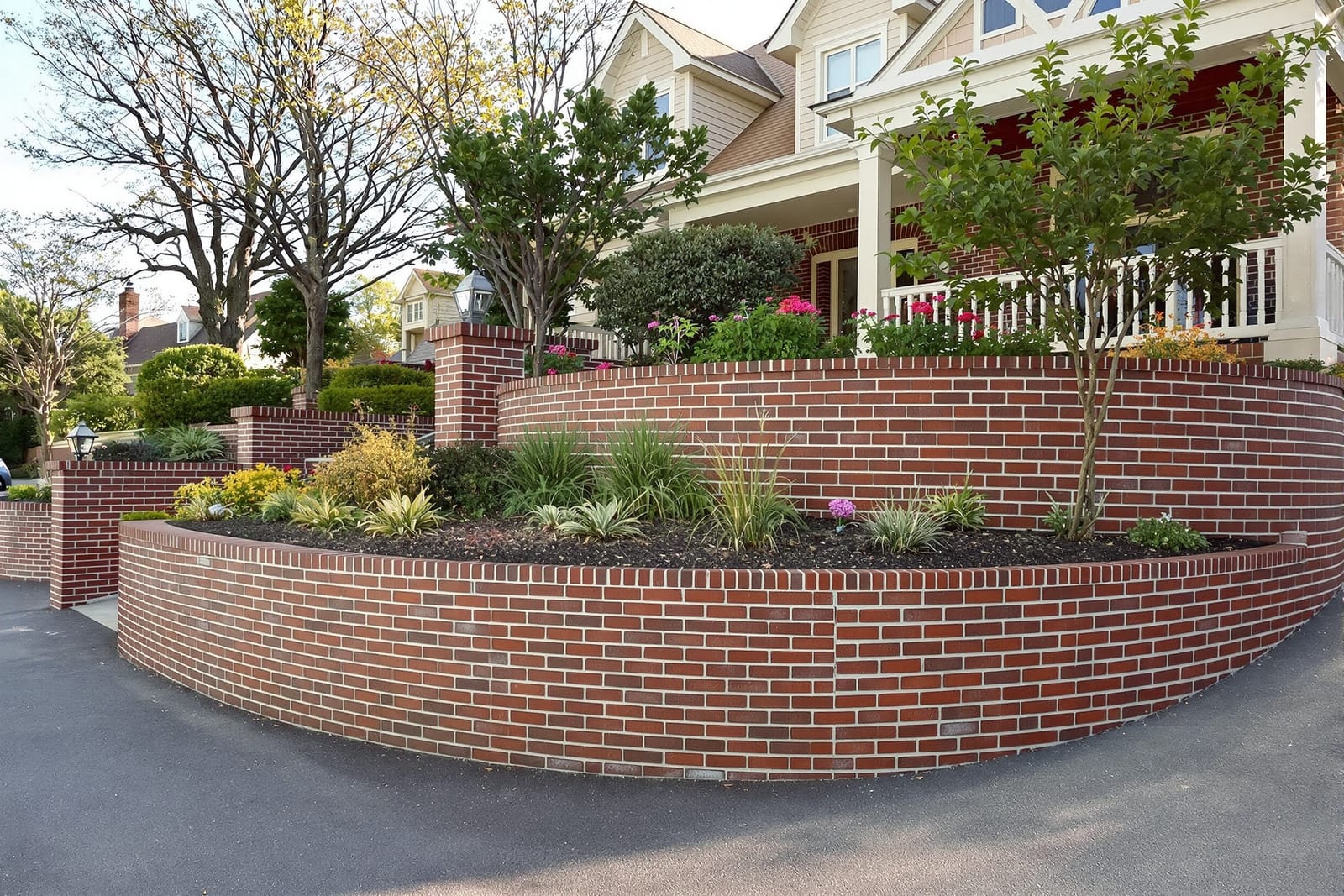
We design and build brick retaining walls in Fort Worth, TX that control erosion and add character to your landscape. From low garden borders to taller structural walls, our team ensures proper footing, drainage, and alignment. Enjoy level planting areas and strong brick landscape walls that blend with your home.
Superior Masonry Fort Worth provides professional brick retaining walls throughout Fort Worth, TX, Texas and the surrounding area. Our licensed, insured crew delivers safe, clean, on-time work with a free estimate before anything begins. Call (682) 267-3270 or request your free quote.
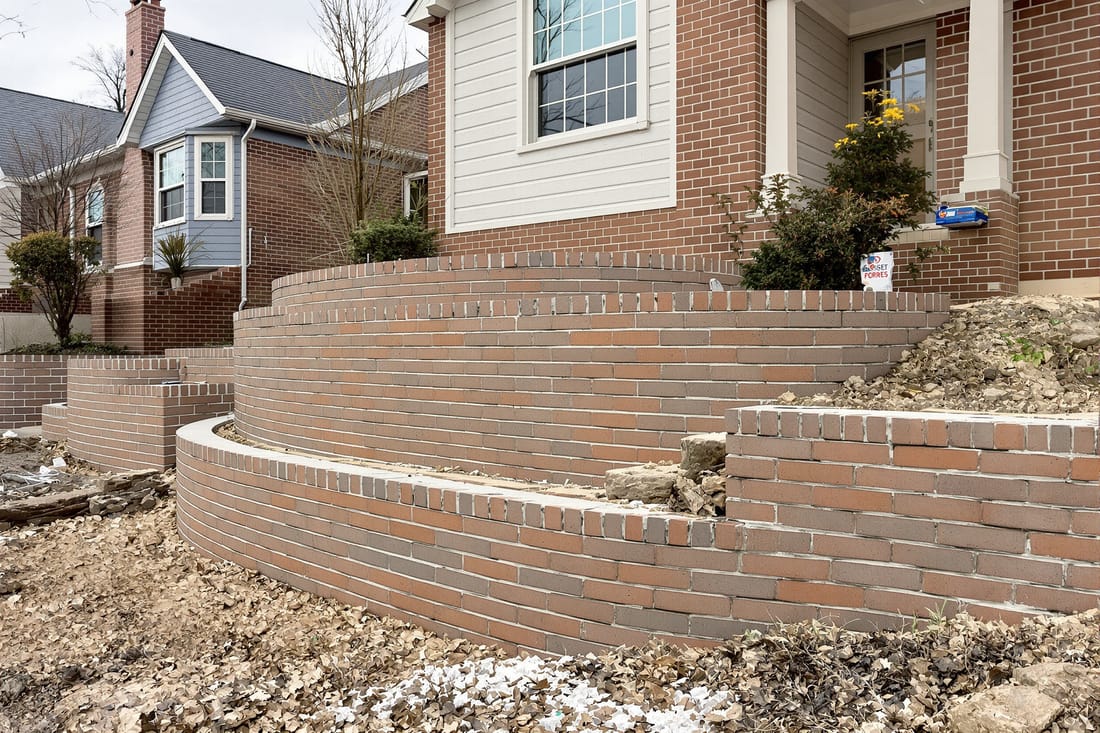
Brick retaining walls that fit Fort Worth yards and soil
Brick retaining walls do a lot more than hold back dirt. In Fort Worth, they deal with clay soil that swells, sudden downpours, and long dry spells that make the ground shift. At Superior Masonry Fort Worth, we design every wall around these local conditions so it stays straight and solid instead of cracking or leaning after a few seasons.
When we talk about a brick retaining wall, we are usually talking about a structural core with a brick veneer, not a wall made of loose stacked brick. The structure is typically poured concrete or concrete block, reinforced with steel, then faced with brick that matches your home or existing masonry. This approach gives you both strength and a clean, finished look.
For most Fort Worth yards, retaining walls are used to flatten a slope for a patio, hold a raised flower bed, create terraced levels, or stop erosion around driveways and pool decks. We walk the property with you, look at existing drainage paths, and ask how you actually use the space. That way, the wall is built to solve a real problem, not just look good for photos.
Because we work all over Tarrant County, we are familiar with the way neighborhood builders have handled grading in areas like Hulen, Benbrook, Keller, and around Eagle Mountain Lake. That local experience lets us anticipate where water will try to collect behind a wall and how the soil will behave when it is wet or extremely dry. We build your brick retaining wall to handle that movement instead of fighting it.
Our step by step process for building a solid brick retaining wall
Every project with Superior Masonry Fort Worth starts with an on site visit. We measure grades with a level, note property lines and utility locations, and check the condition of any nearby structures, like existing fences, patios, or foundations. We also take photos and ask about any puddling or erosion you see after heavy rain. This information shapes the design and the drainage system that goes behind the wall.
Once we agree on a layout and height, we mark the wall line and dig the footing trench. In Fort Worth, where soils expand and contract, the footing depth is critical. For smaller garden walls we may dig 12 to 18 inches deep. For taller walls we often go deeper and wider, then place steel rebar before we pour concrete. The goal is to spread the load and reduce settlement or heaving.
For structural walls, we typically build the core from concrete masonry units (CMU) or poured concrete. The blocks are stacked, reinforced with vertical rebar, and filled with concrete grout at set intervals. We tie the wall back into the footing steel so the whole structure acts as one piece, which improves resistance to soil pressure and seasonal movement.
On the back side of the wall, we install a perforated drain pipe (French drain) at the base, wrap it in fabric, and surround it with clean gravel. This gives water a clear path to escape instead of building pressure that can push the wall forward. We also add vertical weep holes or hidden drain outlets through the face of the wall where needed, especially on longer runs.
Finally, we lay the brick veneer on the visible face, using brick that matches or complements your home. Brick is tied mechanically to the structural wall using wall ties set into the mortar joints. We strike and tool the joints for a clean finish and check alignment frequently so the face looks straight and even from the street or patio. Once the wall is complete, we backfill in layers and compact the soil so it does not settle and create gaps at the top of the wall.
Design choices for brick, layout, and finishes
Brick retaining walls can be simple and functional or become a centerpiece in your landscaping. During planning, Superior Masonry Fort Worth walks you through specific choices so the wall does what you need and also fits your style.
Brick options include smooth face, tumbled, or textured, with colors from classic red to tan, cream, or darker blends. Many Fort Worth homeowners ask us to match existing brick on their home. We bring sample boards or photos from local suppliers so you can see what will work next to your siding, roof, or existing masonry. For older homes, we sometimes blend two brick types to get closer to a weathered appearance.
The layout also matters. A straight run is usually more economical and easier to build, but a gentle curve can soften a steep grade and help the wall follow the natural contour of your yard. On corner lots or around pools, we sometimes break a long wall into stepped sections to create planting pockets and reduce the visual height.
Top finishes have a big effect on the final look and comfort. Options include a brick soldier course cap, a concrete or stone cap for a wider seating edge, or a flush cap that keeps the profile clean if the wall sits under a fence. If children will sit or walk on the wall, we round sharp edges and recommend a cap with enough width for safe seating.
Lighting and landscaping should be part of the early design, not an afterthought. We can leave planned gaps for low voltage lights, run conduit before backfilling, or build small returns in the wall to frame steps and walkways. Knowing where plants, sprinklers, and beds will go helps ensure the wall is set far enough back to keep roots and irrigation from weakening the structure over time.
What affects cost and lifespan of brick retaining walls in Fort Worth
Homeowners often ask why one brick retaining wall can cost very differently from another. The biggest drivers are height, length, access, and how much engineering is required. A low garden wall that holds a small planting bed is simpler than a 6 foot wall near a driveway that carries heavy soil loads and surface water.
Height and load are the first factors we review. Once a wall exceeds certain heights or supports driveways, parking, or structures, it may need engineering or permits depending on local rules. That can mean thicker footings, more rebar, and heavier drainage systems. These items add to the cost but also greatly extend the life of the wall.
Access makes a big difference in Fort Worth neighborhoods with tight side yards or steep grades. If we can bring in a mini excavator and haul off soil easily, excavation is quicker and more affordable. If everything has to be dug and carried by hand around a pool or through a narrow gate, labor time increases.
Material choices also affect price and performance. A structural concrete block core with standard face brick is often the most cost effective solution. Upgrading to a premium brick, a custom capstone, or complex curves adds material and labor. Using proper gravel backfill, fabric, and drain pipes may not show on the surface, but they are essential for durability and worth including in your budget.
For lifespan, the key issues in Fort Worth are drainage, movement of clay soils, and irrigation. Poorly drained walls trap water, which leads to leaning, cracking, and efflorescence (white mineral deposits) on the brick. At Superior Masonry Fort Worth, we design the wall to move water away quickly and we advise you on keeping sprinklers from constantly soaking the wall face. Well constructed brick retaining walls, with good drainage and normal maintenance, can easily last several decades.
What to know before you hire a brick retaining wall contractor
Before you move forward with any contractor, there are a few things you should confirm so your brick retaining wall holds up in our North Texas climate. First, ask how they handle drainage behind the wall. You should hear specific details about drain pipe size, gravel backfill, fabric, and weep holes, not just a general promise to “take care of drainage.” Water pressure is the top cause of failure for retaining walls, particularly in Fort Worth storms.
Second, request a simple sketch or plan that shows wall height, footing depth, and the type of structural core they plan to build. A contractor who only talks about the brick color without addressing what is behind it may be focused more on appearance than structure. At Superior Masonry Fort Worth, we outline both parts so you know exactly what you are paying for.
Third, check experience with local soils. Our clay can crack patios in dry spells and shift foundations in wet seasons. A builder who understands this will talk about reinforcement, control joints, and proper backfill materials. If a wall will be close to your house, pool, or a neighboring property, that experience matters even more.
Finally, make sure the written estimate spells out demolition or removal of old walls, haul off of spoils, and restoration of nearby landscaping. Retaining wall projects generate a lot of dirt and debris. We include cleanup, rough grading, and basic restoration in our proposals, and can coordinate with your landscaper if you want new sod or planting beds added right after the wall is complete.
If you are in or around Fort Worth and are thinking about a new brick retaining wall or replacing a failing one, Superior Masonry Fort Worth can inspect your site, show examples from nearby projects, and give you clear options based on your budget and how you want to use your yard.